
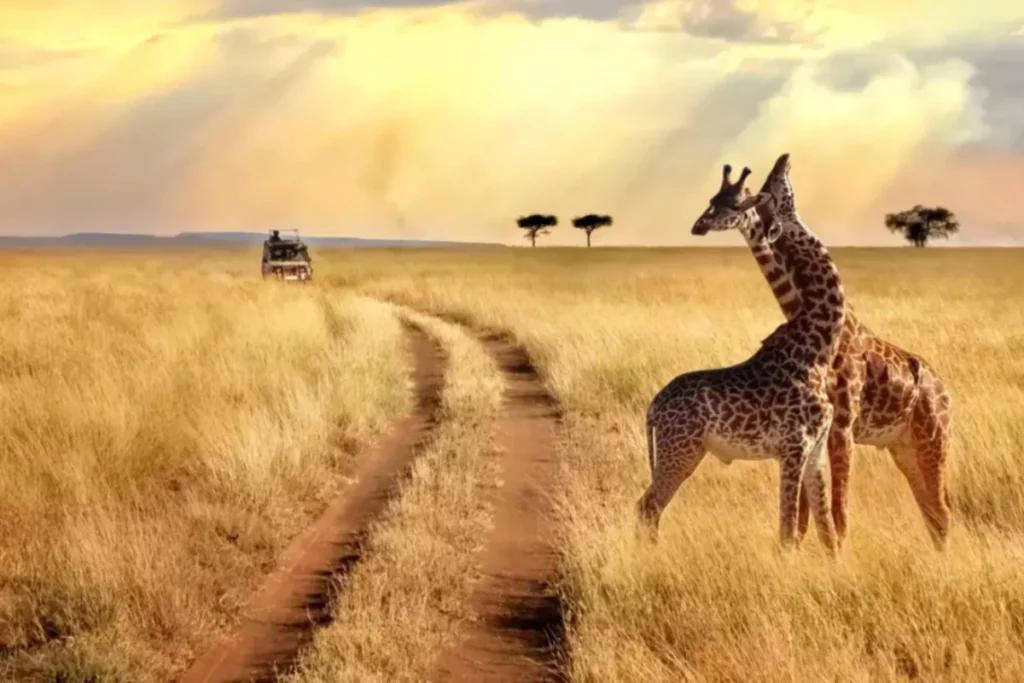
A Kenya and Tanzania safari experience is the ultimate way to explore the heart of East Africa’s wildlife and landscapes. These two neighboring countries are home to some of the most famous national parks and game reserves in the world, offering travelers an unmatched combination of breathtaking scenery, abundant wildlife, and rich cultural encounters. From vast savannahs to volcanic craters and endless plains alive with migrating herds, a safari across Kenya and Tanzania is a journey into Africa at its most authentic and unforgettable.
Why Choose a Combined Kenya and Tanzania Safari
Choosing a safari that includes both Kenya and Tanzania allows travelers to experience the full diversity of East Africa’s ecosystems. Wildlife does not recognize borders, and many of Africa’s most iconic animals move freely between the two countries. A combined safari provides access to legendary parks such as the Maasai Mara in Kenya and the Serengeti in Tanzania, as well as lesser-known but equally spectacular reserves. This cross-border journey offers deeper wildlife sightings, varied landscapes, and a richer understanding of Africa’s natural heritage.
Maasai Mara National Reserve – Kenya’s Crown Jewel
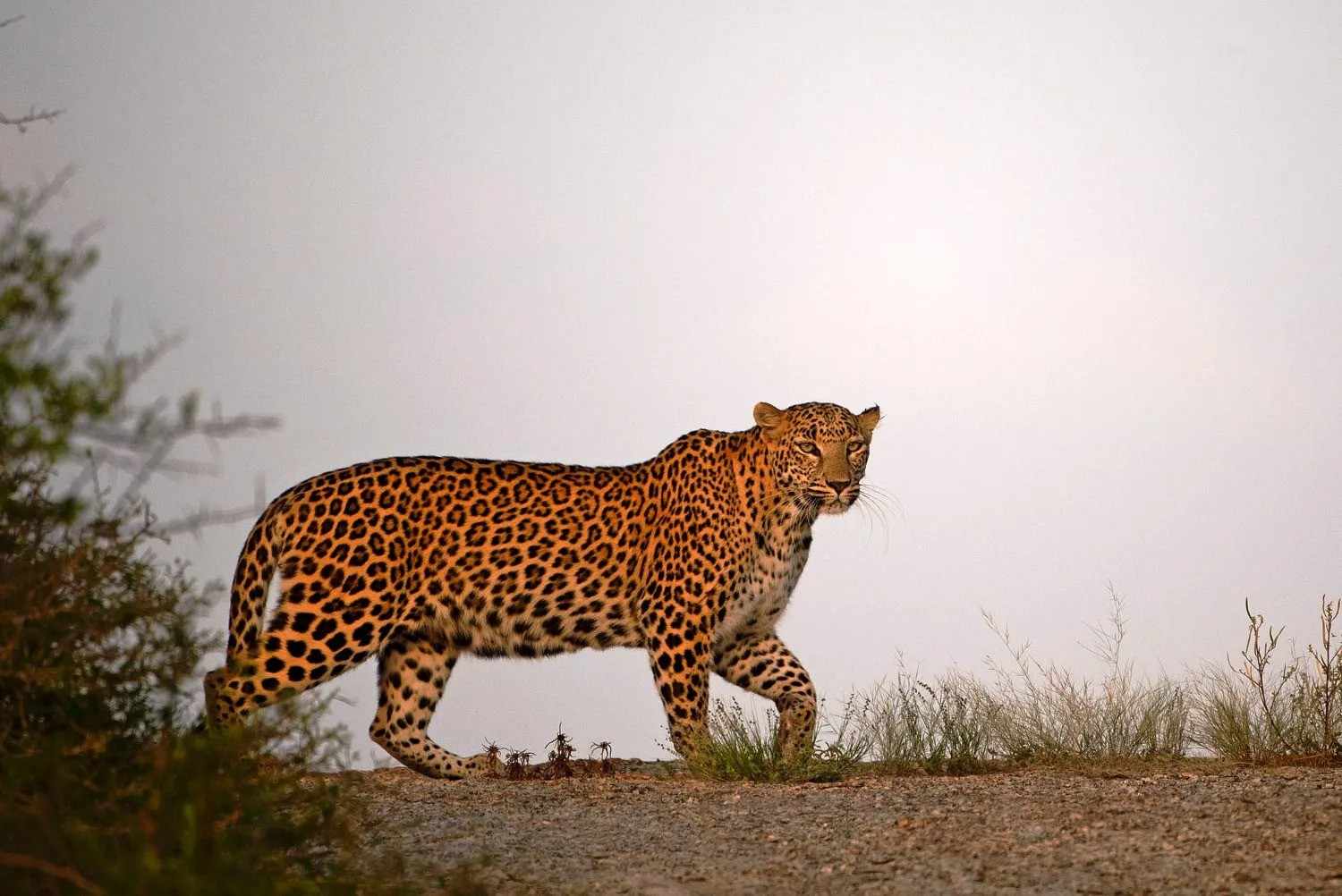
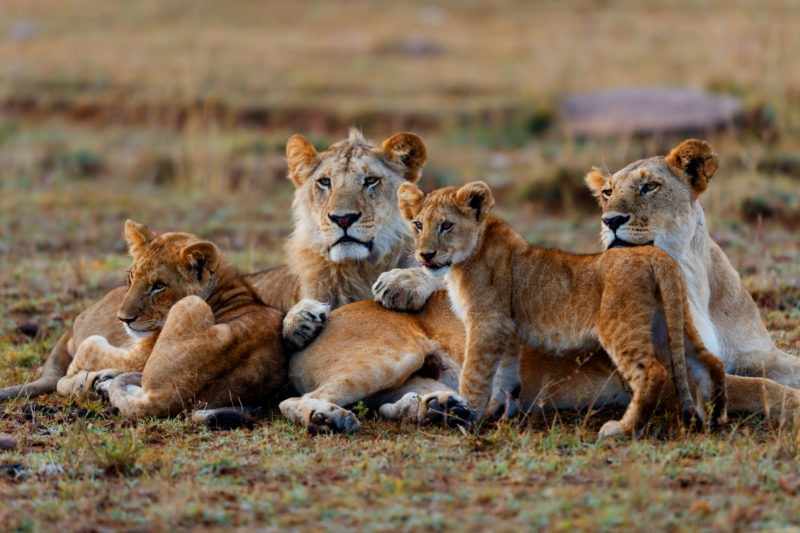
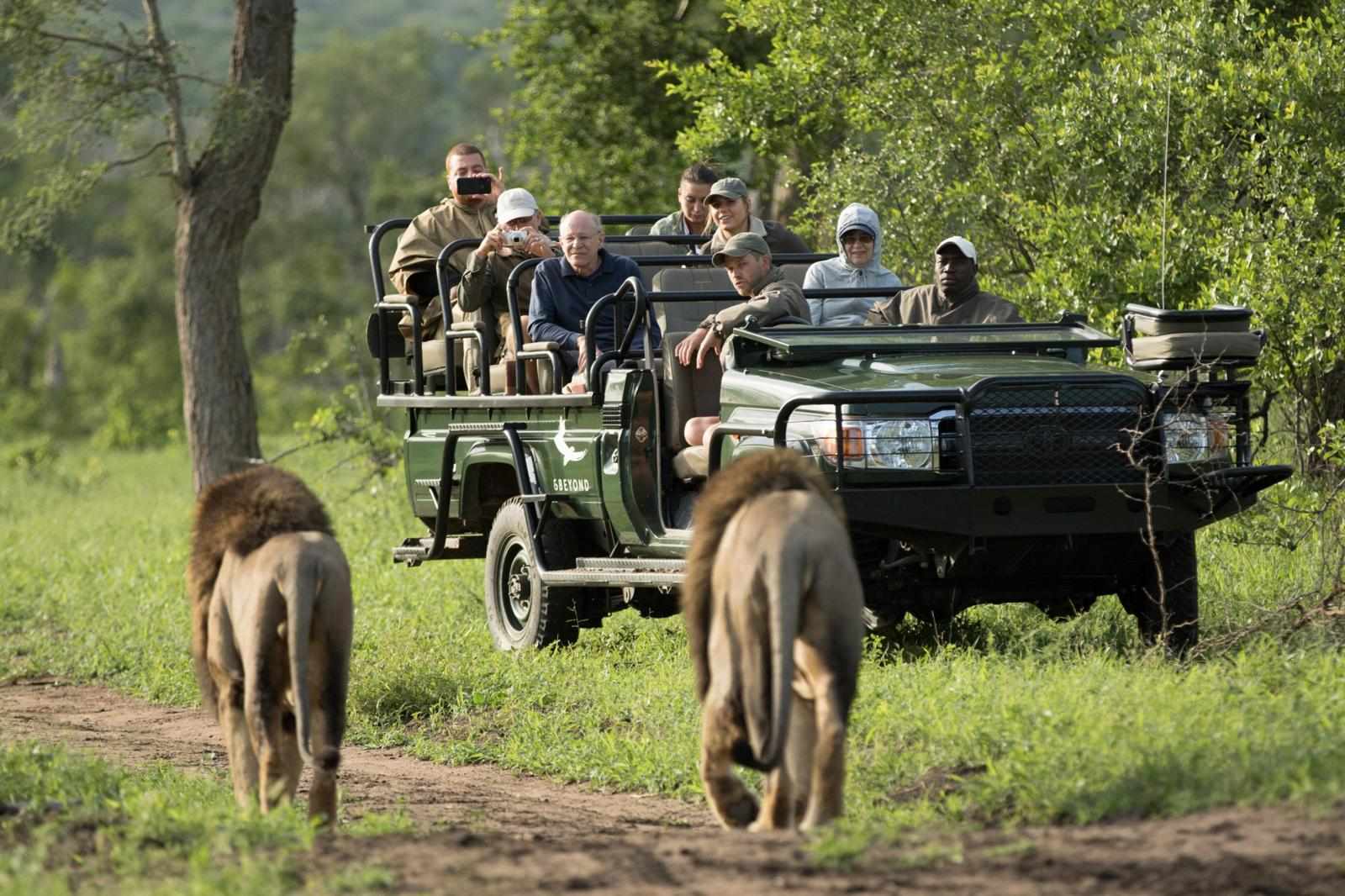
The Maasai Mara National Reserve is one of Africa’s most celebrated safari destinations. Known for its open grasslands and high concentration of predators, the Mara offers exceptional game viewing throughout the year. Lions, cheetahs, leopards, elephants, and large herds of buffalo are commonly seen during game drives. The reserve is also a key stage of the Great Migration, when millions of wildebeest and zebras cross from Tanzania into Kenya in search of fresh grazing. This dramatic movement, often involving dangerous river crossings, is one of the greatest wildlife spectacles on Earth.
Serengeti National Park – Tanzania’s Endless Plains
Across the border lies Serengeti National Park, a vast wilderness that defines the classic African safari. Its name means “endless plains,” and the landscape lives up to this description with wide horizons and sweeping grasslands. The Serengeti is the backbone of the Great Migration, hosting massive herds for most of the year. In addition to wildebeest and zebras, the park is famous for its strong predator population, including lions, hyenas, and cheetahs. The Serengeti offers a sense of raw, untamed Africa that leaves a lasting impression on every visitor.
Ngorongoro Crater – A Natural Wildlife Sanctuary
One of Tanzania’s most unique safari destinations is the Ngorongoro Crater, a UNESCO World Heritage Site and the world’s largest intact volcanic caldera. The crater floor forms a natural enclosure that supports an incredible density of wildlife. Visitors can see elephants, rhinos, lions, hippos, and flamingos in a single game drive. The dramatic crater walls, lush grasslands, and permanent water sources create a self-contained ecosystem that offers reliable and rewarding wildlife encounters year-round.
Amboseli National Park
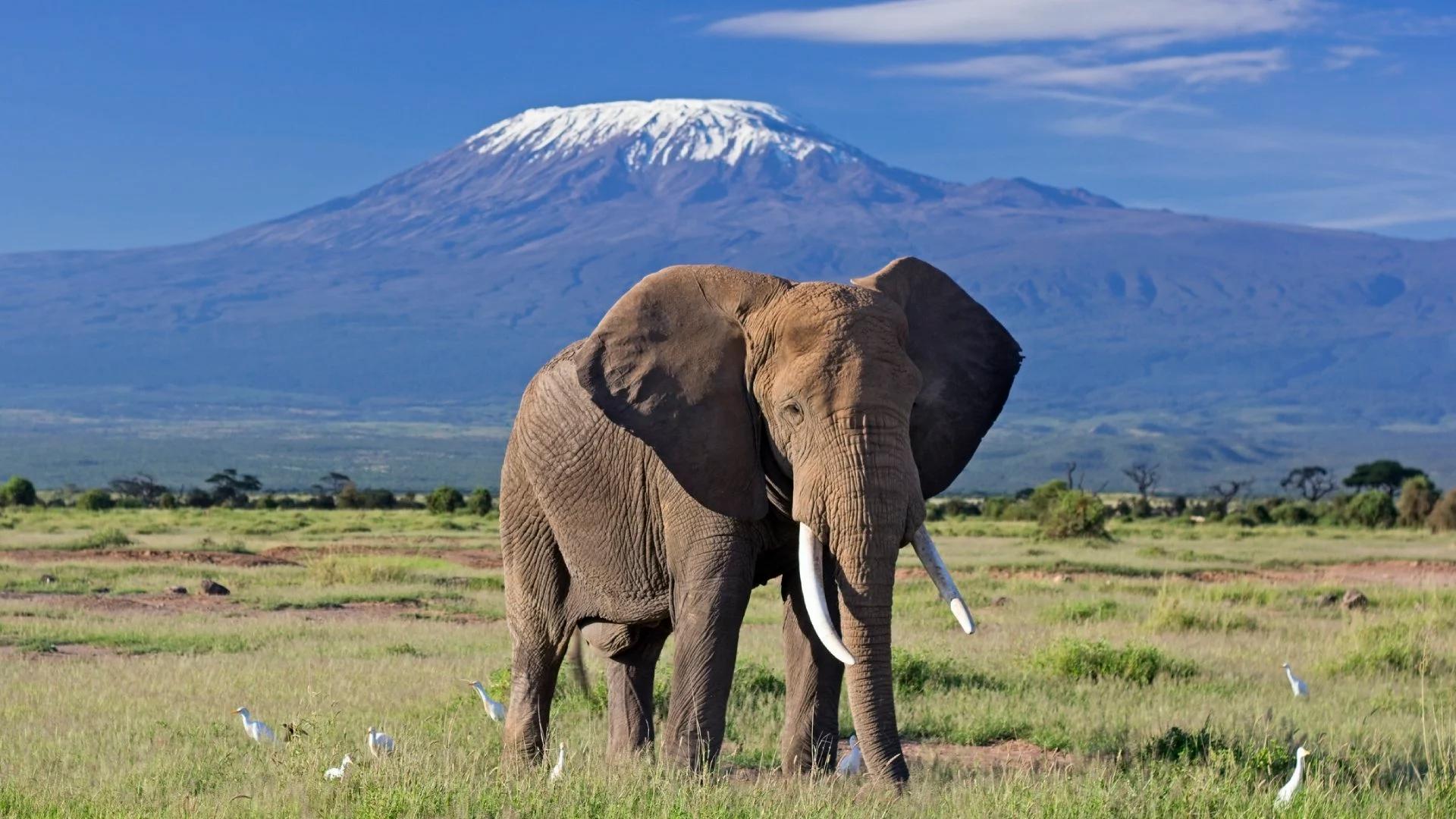
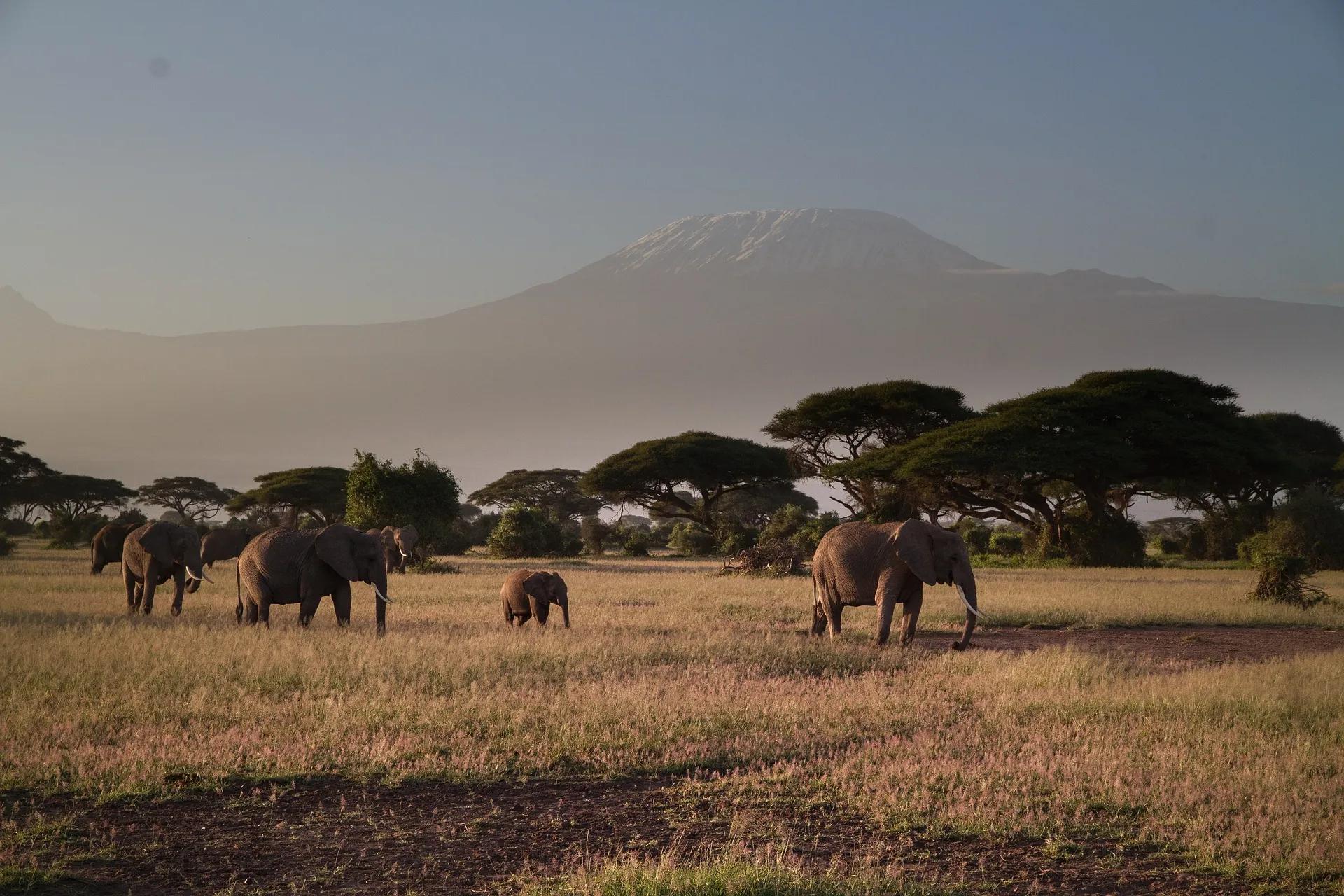
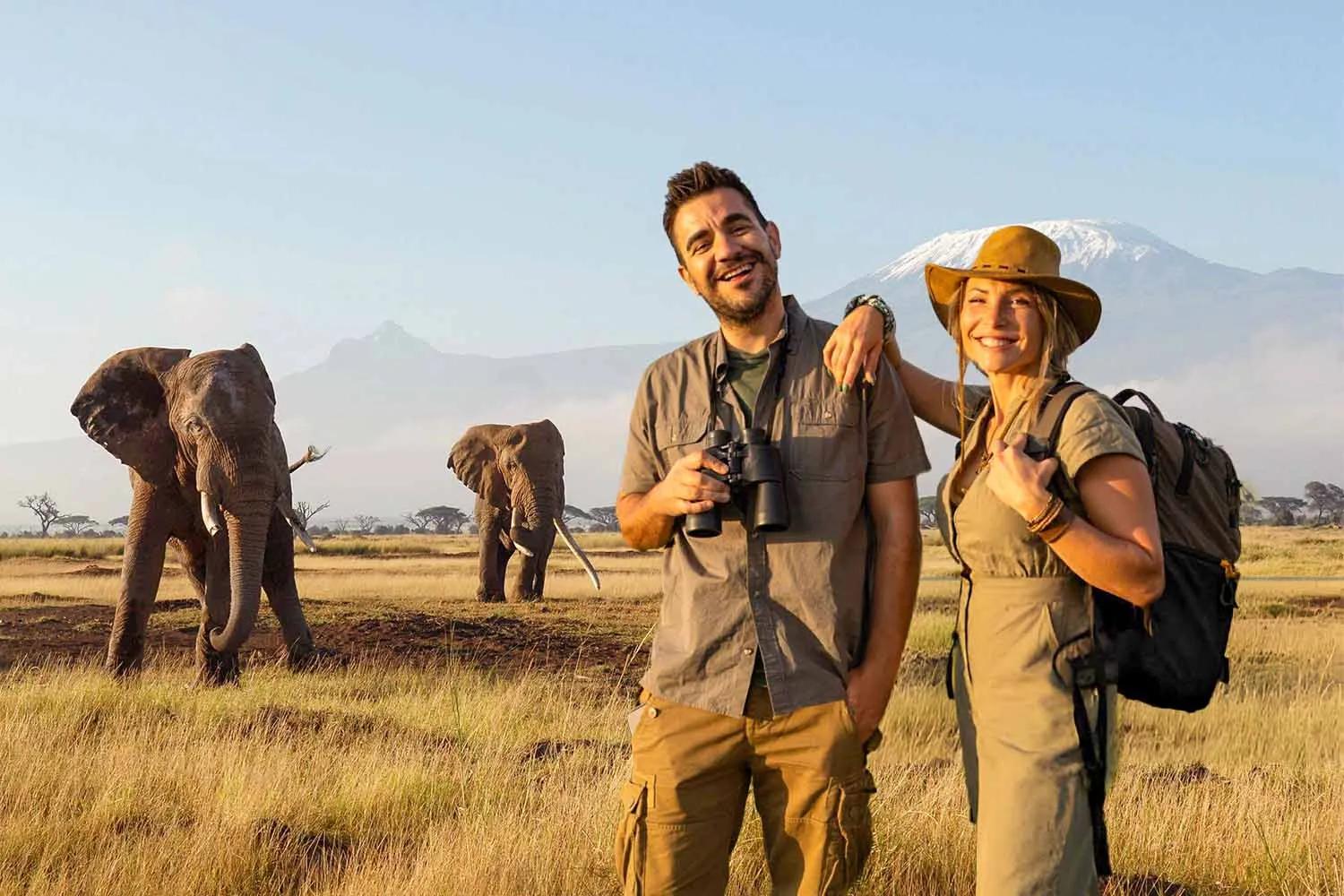
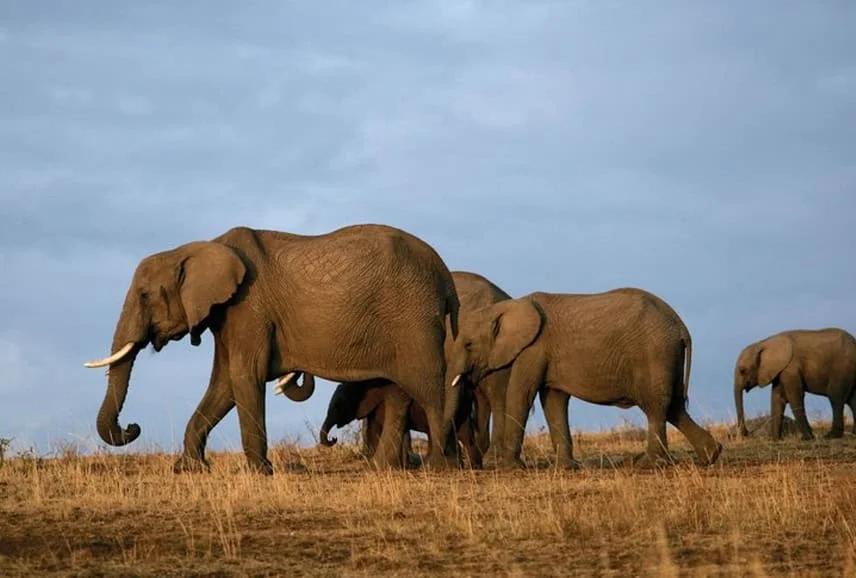
Back in Kenya, Amboseli National Park is famous for its stunning views of Mount Kilimanjaro, Africa’s highest peak. The park is particularly known for its large herds of elephants, often seen walking across open plains with the snow-capped mountain in the background. Amboseli’s wetlands attract a wide variety of birdlife, making it a favorite destination for nature photographers. The combination of scenery and wildlife makes Amboseli a must-visit on any Kenya and Tanzania safari itinerary.
Cultural Encounters and Local Communities
A Kenya and Tanzania safari experience is not only about wildlife; it also offers meaningful cultural interactions. Both countries are home to diverse ethnic communities, including the Maasai, who have lived alongside wildlife for generations. Visiting Maasai villages allows travelers to learn about traditional customs, dress, and ways of life. These cultural experiences add depth to the safari journey and help support local communities through responsible tourism.
Best Time for a Kenya and Tanzania Safari
The best time for a Kenya and Tanzania safari depends on travel goals. The dry seasons, from June to October and January to February, are ideal for wildlife viewing as animals gather around water sources. The Great Migration can be seen at different stages throughout the year, with river crossings typically occurring between July and September. The green season, following the rains, offers lush landscapes, fewer crowds, and excellent birdwatching opportunities.
A Journey of a Lifetime
A Kenya and Tanzania safari experience offers an extraordinary blend of iconic parks, abundant wildlife, and authentic cultural encounters. From the dramatic migration across the Mara and Serengeti to the unique landscapes of Ngorongoro and Amboseli, this journey captures the true essence of Africa. Whether traveling for adventure, photography, or a deep connection with nature, exploring Kenya and Tanzania’s most iconic parks promises memories that will last a lifetime.

Write a comment ...